Everyone knows about the success of IVF, and many people have heard about its success story, but no one talks about the IVF failure reasons. It is too daunting and consists of emotional and physical trauma. It is not very common that every doctor you meet will tell you about the darker side of IVF treatment and under what conditions it can fail. Most often, people do not even acknowledge this topic, as it is a susceptible and emotional subject for all those who aspire to be parents and plan for a healthy baby.
Treatment Options After a Failed IVF Cycle: A Comprehensive Guide
Experiencing a failed IVF (In Vitro Fertilization) cycle can be an emotionally and physically challenging time. However, a failed IVF cycle does not necessarily mean that all hope is lost. Many couples undergo multiple IVF cycles before achieving a successful pregnancy. If you’ve faced a failed IVF cycle, understanding potential causes and treatment options can help you move forward with confidence.
Here’s a comprehensive guide to what you can do after a failed IVF cycle and the treatment options available:
1. Understanding the Causes of IVF Failure
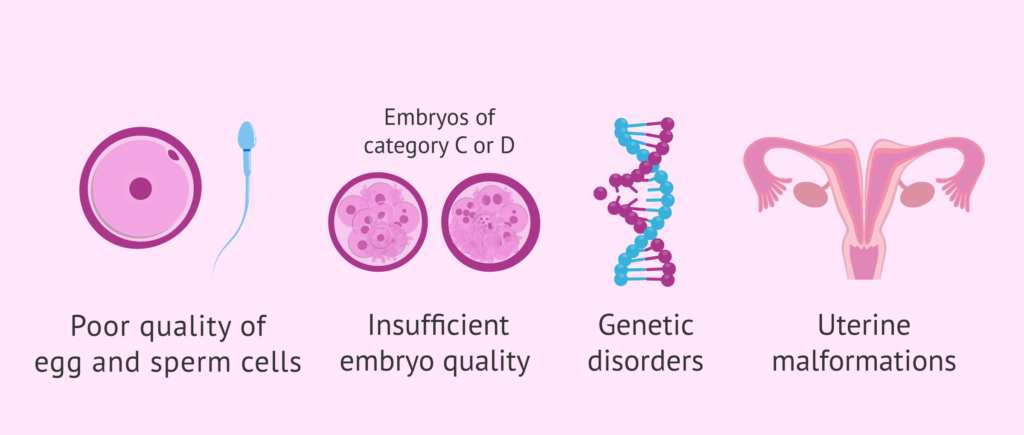
Before considering any next steps, it’s crucial to understand what might have contributed to the IVF failure. IVF failure can occur due to various factors, including:
- Poor Egg or Sperm Quality: The quality of eggs and sperm plays a significant role in fertilization and embryo development. Older age, lifestyle factors, or medical conditions can affect the quality of eggs and sperm.
- Embryo Quality Issues: Not all embryos have the potential to implant. Chromosomal abnormalities or issues with embryo development may lead to implantation failure.
- Endometrial Issues: A thin or poorly receptive endometrial lining can prevent successful implantation. Uterine conditions, such as fibroids or polyps, can also impact embryo implantation.
- Immune System Factors: Some women may have autoimmune issues or antibodies that interfere with embryo implantation.
- Hormonal Imbalances: Hormonal levels, such as progesterone or estrogen, are essential for preparing the uterus for embryo implantation. Imbalances in these hormones can prevent successful implantation.
- Implantation Failure: In some cases, the embryo might not be able to implant despite being of good quality.
2. Consulting with a Fertility Specialist
After a failed IVF cycle, it’s essential to have a follow-up consultation with your fertility specialist. This meeting will help identify any potential reasons for the failure and allow your doctor to provide personalized recommendations based on your unique situation.
Key steps to take during this consultation:
- Review of the IVF Process: Your doctor will review your IVF cycle, including egg retrieval, fertilization, embryo quality, and the embryo transfer process, to identify any potential issues.
- Evaluation of Uterine Health: A uterine evaluation, including ultrasound or hysteroscopy, may be necessary to rule out issues like fibroids, polyps, or scar tissue.
- Blood Tests and Hormonal Check: Blood tests to check hormone levels and assess whether there were any hormonal imbalances that could have contributed to the failure.
- Genetic Testing: Genetic testing of embryos (PGT-A) can help identify chromosomal abnormalities in embryos and improve the chances of successful implantation.
3. Options for Next Steps After a Failed IVF Cycle
If you’ve experienced a failed IVF cycle, there are several treatment options and strategies to consider for the next cycle:
a. Improving Egg and Sperm Quality
- Egg Donor or Sperm Donor: If egg or sperm quality is the cause of the failure, using donor eggs or sperm may improve the chances of success. Donor eggs, in particular, have been shown to have higher success rates, especially for women over 40 or those with diminished ovarian reserve.
- Lifestyle Modifications: Lifestyle changes can improve egg and sperm quality. These changes may include:
- Reducing alcohol and caffeine intake
- Quitting smoking
- Maintaining a healthy diet and exercise routine
- Taking vitamins and supplements, such as folic acid, vitamin D, and CoQ10, which may help improve egg quality
b. Addressing Uterine or Endometrial Issues
- Endometrial Thickness and Receptivity: As mentioned earlier, improving endometrial thickness is critical for embryo implantation. If the endometrial lining was thin or not receptive, treatments like estrogen therapy, acupuncture, or even a procedure like endometrial scratching may help prepare the uterus for the next cycle.
- Surgical Interventions: If fibroids, polyps, or other structural issues are discovered in the uterus, surgical procedures may be necessary to remove these obstructions and improve the chances of embryo implantation.
c. Pre-Implantation Genetic Testing (PGT)
- Genetic Screening of Embryos: Pre-implantation genetic testing (PGT-A) involves screening embryos for chromosomal abnormalities before embryo transfer. This process can significantly increase the chances of a successful pregnancy, especially for women of advanced maternal age or those with recurrent IVF failures.
d. Immunological Treatment
- Immune System Modulation: Some IVF failures are related to immune factors, such as autoimmune diseases or antiphospholipid syndrome. In these cases, your doctor may recommend immune treatments, such as corticosteroids, intralipid infusions, or blood thinners to improve the chances of implantation.
- Endometrial Immunotherapy: Some treatments focus on modulating the immune system within the endometrium to enhance receptivity for embryo implantation.
e. Frozen Embryo Transfer (FET)
- If you have any frozen embryos from the previous IVF cycle, you may opt for a frozen embryo transfer (FET) in the next cycle. FET involves transferring a frozen, thawed embryo into the uterus. This may be an option if your first fresh cycle failed, as it can offer a higher success rate than another fresh cycle.
4. Considering Multiple IVF Cycles
For many couples, success doesn’t come on the first IVF attempt. If a failed IVF cycle has left you feeling discouraged, it’s essential to understand that multiple cycles may be necessary before achieving a successful pregnancy. In fact, many patients require two to three IVF cycles before achieving a positive outcome.
5. Exploring Alternative Options
If several IVF attempts have failed, you may want to consider other fertility treatments, such as:
- Gestational Surrogacy: If you are unable to carry a pregnancy or have repeated IVF failures, gestational surrogacy may be an option. In this case, an embryo created with your eggs (or donor eggs) is implanted into another woman’s uterus.
- Adoption: If IVF and fertility treatments are no longer an option or you’ve chosen to pursue a different path, adoption can provide an alternative route to building your family.
6. Mental and Emotional Support
Dealing with a failed IVF cycle can be emotionally draining. It’s important to take care of your mental health during this challenging time. Consider the following support options:
- Therapy or Counseling: Speaking with a therapist or counselor who specializes in fertility issues can help you cope with the emotional stress of a failed cycle.
- Support Groups: Joining a fertility support group, either in person or online, can provide comfort and connection with others going through similar experiences.
Conclusion
A failed IVF cycle can be devastating, but it is important to remember that it doesn’t signify the end of your journey to parenthood. With careful evaluation, personalized treatment adjustments, and emotional support, many couples can ultimately achieve a successful pregnancy. Discuss your next steps with your fertility specialist, and remember that every IVF journey is unique—success may be just one step away.

