
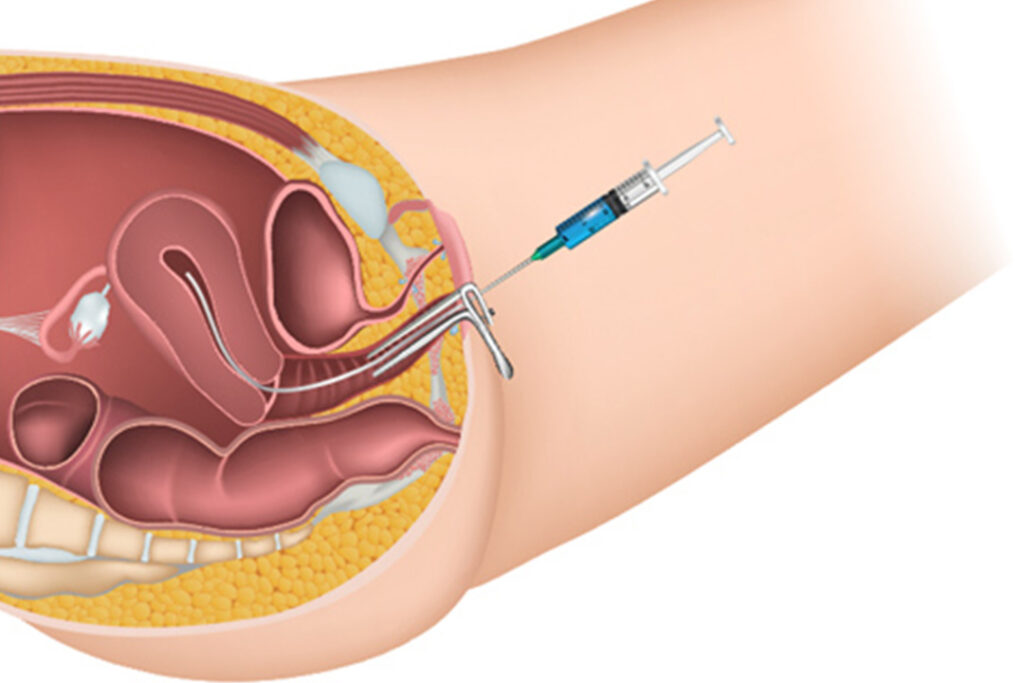
What is Intrauterine Insemination (IUI)?
IUI, medically known as Intrauterine Insemination, is a simple form of fertility treatment. The doctor can perform it either with or without medication. The medical modus operandi includes the procedure of transferring semen to the uterus through a thin catheter. However, before proceeding with it, the doctor will need to wash and concentrate on the semen.
This way, it will be much more effective and powerful. A doctor will most possibly perform IUI treatment during ovulation. But, if he/she has to do so before the same, then they might use the drugs.
🩺 Everything You Need to Know About IUI Treatment
Intrauterine Insemination (IUI) is a fertility treatment that involves placing sperm directly into the uterus to increase the chances of fertilization. It is a less invasive and more affordable option compared to IVF, making it a popular choice for couples facing mild infertility issues. IUI is often recommended for individuals with unexplained infertility, low sperm count, or ovulation disorders.
✅ What is IUI Treatment?
IUI (Intrauterine Insemination) is a form of assisted reproductive technology (ART) where specially prepared sperm is inserted directly into a woman’s uterus during ovulation. This process bypasses the cervix, allowing the sperm to get closer to the egg, thereby improving the chances of conception.
Unlike IVF, where fertilization occurs in a lab, IUI facilitates natural fertilization inside the body. It is a quick, minimally invasive, and cost-effective procedure, making it a preferred choice for many couples.
🔍 Who is IUI Recommended For?
IUI is suitable for couples or individuals facing the following issues:
- Unexplained Infertility: When no clear cause of infertility is detected.
- Low Sperm Count or Motility: Helps bypass mild male infertility factors.
- Cervical Mucus Issues: When cervical mucus is hostile to sperm.
- Ovulation Disorders: Women with irregular ovulation cycles.
- Mild Endometriosis: Helps women with mild endometrial scarring.
- Same-Sex Couples or Single Women: Using donor sperm for conception.
- Ejaculation Issues: Men with erectile dysfunction or premature ejaculation.
💉 Step-by-Step IUI Procedure
- Ovulation Monitoring:
- The doctor tracks the woman’s ovulation cycle using ultrasounds and hormone tests.
- This helps determine the optimal time for insemination.
- Ovarian Stimulation (If Needed):
- Women may take ovulation-inducing medications (Clomid or Letrozole) to boost egg production.
- This increases the chances of fertilization.
- Sperm Collection and Preparation:
- The male partner or donor provides a semen sample.
- The sperm is washed and concentrated to remove debris and weak sperm, ensuring only the most healthy and motile sperm are used.
- Insemination Procedure:
- A thin, flexible catheter is inserted into the uterus through the cervix.
- The concentrated sperm sample is injected directly into the uterus.
- The procedure is quick and painless, lasting 10-15 minutes.
- Post-Procedure Rest:
- The woman may lie down for 15-30 minutes after the procedure.
- Normal activities can be resumed the same day.
🌟 When is IUI Performed?
IUI is carefully timed to coincide with ovulation, which is the fertile window of a woman’s cycle.
- For women with a 28-day cycle, IUI is typically performed around days 12-16.
- In cases of irregular cycles, doctors use ovulation induction medications and monitor follicle growth through ultrasounds.
📊 Success Rates of IUI
The success rate of IUI depends on several factors, including the age of the woman, the cause of infertility, and sperm quality.
- Women under 35: IUI success rate is around 15-20% per cycle.
- Women aged 35-40: Success rate drops to 10-12% per cycle.
- Women over 40: Success rate reduces to 5-7% per cycle.
- Couples with unexplained infertility have a 10-15% success rate per cycle.
- With ovulation induction medications, the chances of conception may increase.
🚫 Risks and Side Effects of IUI
While IUI is generally safe, there are a few risks involved:
- Multiple Pregnancy: Ovulation-stimulating medications can increase the chances of twins or triplets.
- Infection: A minor risk of infection due to the insertion of the catheter.
- Cramping or Spotting: Some women may experience mild cramping or light bleeding after the procedure.
- Ovarian Hyperstimulation Syndrome (OHSS): Rare, but can occur due to overstimulation of the ovaries.
💰 Cost of IUI Treatment
IUI is a more affordable fertility treatment compared to IVF.
- In India: The cost ranges from ₹10,000 to ₹20,000 per cycle, including consultations, monitoring, and the procedure.
- The cost may vary based on:
- The location and clinic.
- Use of fertility drugs.
- The number of cycles required.
- Multiple cycles may be needed for a successful outcome, increasing the overall cost.
✅ Benefits of IUI Treatment
- Less Invasive: IUI is a minimally invasive procedure, unlike IVF.
- Cost-Effective: It is more affordable compared to IVF.
- Quick and Painless: The entire process takes 10-15 minutes.
- Fewer Side Effects: Compared to IVF, IUI has fewer side effects.
- Improved Fertilization Chances: Sperm is placed directly into the uterus, increasing the chances of fertilization.
- Natural Fertilization: Unlike IVF, fertilization occurs naturally inside the body.
🌟 When to Consider IVF Instead of IUI?
While IUI is effective for mild infertility cases, IVF may be recommended if:
- Multiple IUI cycles fail to result in pregnancy.
- The woman has blocked fallopian tubes.
- The couple faces severe male infertility issues.
- Advanced maternal age (>40 years).
- Cases of recurrent miscarriages.
🌸 Key Takeaway
Intrauterine Insemination (IUI) is a safe, minimally invasive, and cost-effective fertility treatment that can significantly improve the chances of conception for couples with mild infertility issues. It offers good success rates for younger women and couples with unexplained infertility. While IUI is not suitable for all cases, it remains a valuable first-line treatment before considering more complex procedures like IVF. 💖

